Session vs. On-Demand Vaporizers: What's the Difference?
The fundamental split in dry herb vaporizing is session versus on-demand heating. This guide explains the physical difference, which devices belong to each category, and how to choose between them.
Disclosure: This article contains affiliate links. If you buy through them we may earn a commission at no extra cost to you.
What's the difference between session and on-demand vaporizers?
A session vaporizer heats an entire bowl to a set temperature and holds it there, so the material stays ready across multiple draws over several minutes without reheating. An on-demand vaporizer instead heats the bowl briefly, right as a draw begins, then lets it cool between draws. The Mighty+, Venty, Volcano Hybrid, and Arizer Solo 3 are all session devices — they maintain a stable chamber temperature for an extended stretch. The DynaVap M7 is the clearest on-demand example: it's heated externally with a torch or induction heater for each draw, indicated by an audible "click," and cools down between uses rather than holding heat. Neither category is objectively better — session devices suit longer, more relaxed use, while on-demand devices suit quick, deliberate draws with less standby heat exposure to the material.
Session heating: hold temperature, draw repeatedly
No spam. Unsubscribe anytime.
Session devices are built around maintaining a consistent chamber temperature for as long as the battery or unit stays powered. Storz & Bickel's product manuals describe the Mighty+ and Venty as holding a set temperature continuously once heat-up completes, which is why both devices support extended sessions with multiple people or multiple draws without re-triggering the heater each time. The Volcano Hybrid, a desktop unit, takes this furthest — it fills a balloon bag with vapor that can be detached and used over several minutes, decoupling the heating cycle from the draw entirely. The Arizer Solo 3 works the same way in a portable format, using a glass-lined chamber that Arizer's spec sheet describes as heated continuously via convection airflow once activated.
See current price → · See current price →
The practical upside of session heating is convenience for longer or shared use: no repeated triggering, no waiting between draws. The tradeoff is that material sits at temperature the entire time the device is active, whether or not a draw is happening.
On-demand heating: heat per draw, cool in between
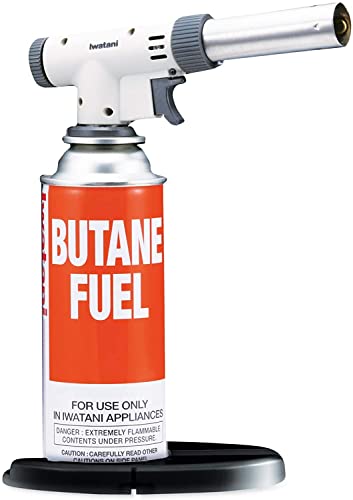
On-demand devices flip that model. The DynaVap M7 has no internal heating element or battery — it's heated externally, either with a butane torch → or an induction heater, for roughly the duration of a single draw. A small metal cap inside the device audibly "clicks" as it thermally expands to signal peak temperature, then the unit begins cooling immediately afterward. Our DynaVap heating guide covers that click mechanism in detail. Because heat is applied only during the draw itself, on-demand devices spend most of their time at ambient temperature between uses — a meaningfully different profile from a session device that stays hot throughout.
Electronic on-demand devices exist too — the TinyMight 2 is a battery-powered unit that heats rapidly right before each draw rather than maintaining standby temperature, giving on-demand behavior without needing a torch.
Battery and maintenance implications of each category
The session vs. on-demand split also shapes long-term ownership in ways that aren't obvious from a spec sheet. Session devices like the Mighty+, Venty, and Solo 3 rely on rechargeable batteries that degrade gradually over years of charge cycles, which is why all three use a removable-battery format — a depleted or aged battery can be swapped without retiring the whole device. On-demand devices split into two groups on this point: electronic units like the TinyMight 2 still have a battery to manage over time, while the DynaVap M7 has none at all, meaning there's fundamentally nothing inside it to degrade beyond the metal parts themselves.
Maintenance follows a similar pattern. Session devices see more continuous airflow through their chambers, which owners consistently report leads to a fairly predictable cleaning schedule — typically every one to two weeks of regular use for the airpath and cooling unit. On-demand devices, and especially the DynaVap M7, tend to accumulate residue more slowly since airflow only happens during a draw, though the exposed tip design means routine wipe-downs are still part of ownership.
Which category should you choose?
If your typical use is a longer, unhurried session — reading, working, or sharing with others across several rounds — a session device like the Mighty+, Venty, or Solo 3 removes the friction of re-heating for every draw. If you prefer short, deliberate sessions and like the tactile ritual of an external heat source (or want a device with zero battery to ever degrade), the DynaVap M7 is the reference on-demand pick. The convection vs. conduction distinction is a separate axis from session vs. on-demand — a device can be convection-heated and still be either type, so it's worth understanding both splits before comparing specific models in our full 2026 roundup.
Vaporizers heat material below combustion temperatures in both categories — that's the shared physical baseline regardless of how the heat is delivered. As always, buy session or on-demand devices from a specialist retailer rather than a general marketplace like Amazon, where authentic units of either type are not sold.
The bottom line
Session devices like the Mighty+, Venty, and Solo 3 hold temperature for extended, repeated draws, while on-demand devices like the DynaVap M7 heat briefly per draw and cool in between — pick based on whether you want convenience over a longer session or a shorter, more deliberate ritual, and know that neither category is a strictly better engineering choice than the other.
Affiliate Disclosure