Best Butane Torch for DynaVap: Single vs. Triple Flame
Not all butane torches suit a DynaVap the same way. Here's why single-flame culinary torches outperform triple-flame torches for this specific use case.
Disclosure: This article contains affiliate links. If you buy through them we may earn a commission at no extra cost to you.
What is the best butane torch for a DynaVap?
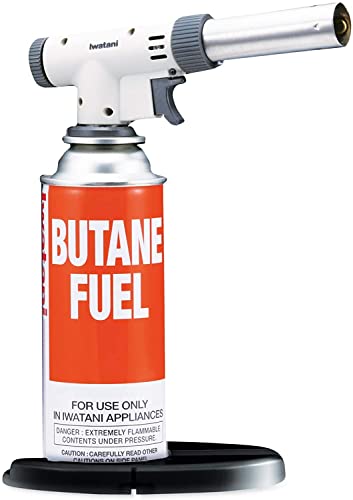
A single-flame culinary torch like the Iwatani Pro2 (around $40) or a budget single-flame torch like the Sondiko (around $20) is the better match for a DynaVap than a triple-flame torch. DynaVap tips heat via direct flame contact combined with a spin-and-pull motion, and a single, adjustable flame is easier to control at close range than three simultaneous jets. Triple-flame torches are built for fast, even heating over a wider area (useful for kitchen searing), which tends to overheat a DynaVap tip faster than intended. For DynaVap use specifically, a single-flame culinary torch gives you finer control than a triple-flame torch built for speed.
Single flame vs. triple flame, side by side
No spam. Unsubscribe anytime.
| Factor | Single-flame torch | Triple-flame torch |
|---|---|---|
| Heat control at close range | Finer, easier to modulate | Coarser, heats faster |
| Typical use case | Culinary searing, DynaVap | Cigars, fast ignition tasks |
| Risk of overheating DynaVap tip | Lower with practice | Higher, less margin for error |
| Fuel consumption per session | Lower | Higher |
| Price | ~$20-$40 | Often similar or higher |
Why "culinary" torches work so well
Butane torches marketed for kitchen use -- creme brulee, searing, browning -- are designed around the same core need a DynaVap has: a controllable, adjustable single flame that can be held at a fixed distance without flooding the target with heat. Iwatani's Pro2 documentation describes an adjustable flame and a refillable reservoir designed for repeated short bursts, which matches DynaVap's heating cadence of short flame exposure followed by the click and a pause to draw. A cigar torch, by contrast, is built to light a much larger surface area near-instantly, which is the opposite of what a small metal DynaVap tip needs.
Fuel matters as much as the torch
Butane purity affects both torch performance and longevity. Impure butane leaves residue in the torch's internal valve and nozzle over time, leading to a weaker or sputtering flame. Colibri's premium refined butane (sold in refill packs, around $30 for three) is filtered to a higher purity than typical hardware-store butane, and owners consistently report fewer clogged-nozzle issues when using a refined fuel rather than the cheapest available can.
Choosing between the two paths
If you already own a DynaVap and want the simplest, most portable heat source, a single-flame culinary torch plus a can of refined butane is the standard combination the DynaVap community settles on. If flame technique isn't for you, an induction heater like the Ispire Wand removes the flame step entirely at the cost of portability -- see our comparison of induction vs. torch for the tradeoffs in full. Whichever heat source you use, the DynaVap heating guide to the click explains what you're listening and feeling for once the flame is applied.
What to look for when buying a torch for DynaVap
A few specs matter more than brand name. An adjustable flame height lets you dial the flame down for closer, gentler heating rather than being locked into one intensity. A visible fuel window -- a feature on torches like the Sondiko -- lets you see remaining butane at a glance instead of guessing when a session might run dry mid-use. And a wide, stable base matters more than it seems: DynaVap sessions involve holding the torch steady while spinning the device with the other hand, and a top-heavy or narrow-based torch is easier to tip.
Ignition style is a smaller factor but worth noting. Piezo-ignition (press-button spark) is more convenient than flint-wheel ignition, especially in cold weather when flint sparks can be less reliable. Most culinary torches in the $20-$40 range, including both the Iwatani and Sondiko, use piezo ignition.
Refilling and caring for the torch
Butane torches should be refilled only when the tank is empty or nearly empty -- mixing fuel levels during a refill can introduce air into the line and cause a sputtering flame afterward. Hold the torch upside down against the refined butane can's nozzle for several seconds per the manufacturer's instructions, then let the torch sit for a minute or two before igniting, since compressed butane cools the tank slightly during refilling. Skipping that wait is one of the more common reasons owners report an inconsistent flame right after a refill.
Common torch mistakes with DynaVap
A handful of habits account for most of the frustration owners report with torch-and-DynaVap use. Holding the flame too close for too long is the most frequent one -- it can overheat the tip past the intended range before the click even registers as a clean signal. Not spinning the DynaVap steadily during heating is another, since uneven flame exposure heats one side of the tip faster than the other. And using old or low-purity butane is an underrated cause of a weak or sputtering flame that then leads to inconsistent heating regardless of torch quality. All three are technique or fuel issues rather than problems with the torch itself, which is why upgrading fuel purity is often a cheaper fix than upgrading the torch.
The bottom line
A single-flame culinary torch such as the Iwatani Pro2 or Sondiko, paired with refined butane, gives a DynaVap the controllable, adjustable heat it needs -- skip triple-flame torches, which are built for speed rather than precision.
Affiliate Disclosure